

Search Engine Optimization Near Me
Search engine optimization (SEO) is a powerful but complex technique that can result in rapid growth for your business and websites. It's a crucial component of any digital marketing plan.
However, not everyone knows the way SEO functions. This can lead to a lot of false advertising from "SEO gurus" who promise to increase your sales and traffic by 300% over three months.
Keyword Research
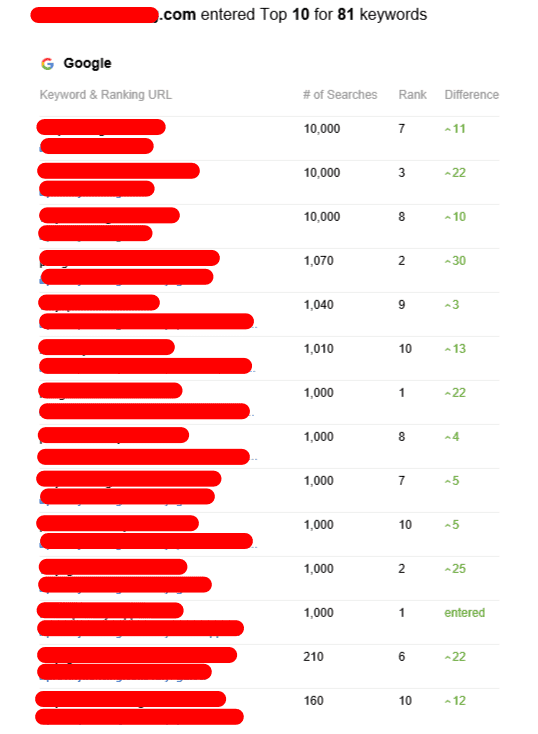
Keyword research is the process that helps you identify the keywords your audience uses when searching on Google for services, products and content. This information can be used to inform your strategy for content as well as the other aspects of your marketing.
There are several different ways to conduct keyword research, but the most important thing to do is make sure you understand what users are looking for when they use these search terms. There are four categories of search queries. These are informational (questions that ask for general information or answers to specific questions) as well as brand-named (searches related to specific brands) and transactional (searches in which the user is willing to buy or decide to take action).
Understanding the user intention behind these terms is essential to ensure your content will be found and that it fulfills its goal. This helps you determine which keywords are most relevant to your company and its goals.
It's important to focus on only one or two keywords per page when you have a list of keywords. If you try to rank for a large number of keywords your pages will be competing with each other and their impact will be reduced. This is referred to as keyword cannibalization. Include your target keywords at important points on every page including the title tag as well as the meta description and the body of the content.
On-Page SEO
Search engines are made to help users locate information on the web. They do this by analyzing the content of webpages and locating sites that answer the best search queries. seo specialist near me rank the websites that are relevant in order of their prominence. On-page optimization is essential because it assists the search engine to comprehend the page's content and information. The algorithm that determines the ranking of a site is a complex. On-page SEO is the process of identifying relevant keywords for the website and applying them in an easy and natural way. It is also about optimizing all components of a page.
This includes using keywords in title tags, H1 tags, and meta descriptions. Additionally, it is important to optimize images for both search engines and users, and adding alt text to images (which can be read by visually impaired users using screen readers). This procedure is repeated on each page on the site and the results are used to boost traffic up the SERPs.
On-page SEO isn't easy because it must balance the needs of users and search engines. Avoid keyword stuffing since it could result in search engines penalizing a website. However, it is important to ensure that the content of a website matches the query. This can be achieved by using synonyms and variations of a keyword. It is also beneficial to include a keyword within the URL, since Google explicitly states that it can help them better know what a page's about.
Off-Page Optimization
Off-page optimization is as crucial as on-page SEO in any digital marketing campaign. This is the case for activities outside of your website such as social media marketing, and link building. Off-page SEO is the thing that differentiates your business from your competitors and helps push you to the top of search results pages (SERPs).
According to Backlinko's statistics, off-page factors make up more than half of Google's ranking algorithm. This is because, whereas on-page SEO signals focus on the relevance of a website for Off-page signals tell Google the amount of importance it should have on search engine results pages.
Off-page SEO is best achieved by requesting other websites to link to your website. This can be done through content marketing, such as creating guest posts on high-authority websites as well as infographics, case studies. You can also accomplish this via social media by posting your content on Facebook and other platforms.
The more links your page has, the higher it will rank. Google considers the number and quality of backlinks when the determination of your rank. Another important aspect is your domain authority which is a measurement of the quality and performance of your site.
Social Media
SEO has been around for a long time but the market is constantly changing. With a fierce competition and an ever-growing amount of content published each day, it is difficult to get noticed on search engine result pages (SERPs).
SEO can increase your website's visitors and help you gain more visibility. In fact, Imforza reports that 93 percent of online experiences start with a search engine. Furthermore, SEO leads close a sale 14 percent of the time, which is more than the average conversion rate for online ads that are paid.
Social media should be a part in your marketing strategy in order to improve your SEO. According to research conducted by Life Marketing, social media has a direct impact on SEO because it increases the number of links and organic traffic. It can also improve the visibility of your brand by increasing the SERP rank of your site.
In addition to boosting your rank on search engines, using social media can be an excellent way to boost brand recognition. By creating and distributing appealing content, you will build trust and loyalty among your customers. This will lead to more traffic and sales. To achieve this, you must use the most popular social media platforms, including Instagram and Facebook. These platforms let you share images and videos with a link to your website. You can also make use of hashtags and SEO techniques to increase your visibility and search engine ranking.